



















































When your old air conditioner finally gives out, replacing it with another AC may seem like the obvious choice.
But in 2026, you have another option that can cool your home in summer, heat it in winter, and potentially lower your total operating costs: a heat pump.
Many people still think heat pumps are only for heating, or that they stop working once the weather gets cold. In reality, modern heat pumps work like high-efficiency air conditioners in the summer and reverse direction to provide heat in the winter. Cold-climate and hyper-heat models have also made heat pumps practical for far more homes than they were even a decade ago.
In this guide, we’ll compare heat pumps vs. traditional AC systems, including how each works, where heat pumps make the most sense, how climate affects the decision, what to know about efficiency ratings, and how 2026 refrigerant rules affect your purchase. We’ll also cover top options from brands like MRCOOL and Goodman, both available through Home Outlet Direct.
Shop All HVAC Systems at Home Outlet Direct →
Heat Pump vs. AC — Quick Answer
A heat pump both heats and cools your home. In many homes, it can replace your air conditioner and furnace with one system.
A traditional air conditioner only cools. You still need a separate furnace, boiler, or other heating system for winter.
For the mild-to-moderate climates found in most of the U.S., a heat pump is often the smarter choice in 2026 because it delivers both heating and cooling from one efficient system.
In extreme cold climates where temperatures regularly fall well below zero, a dual-fuel system (heat pump + gas backup) or a traditional AC with a gas furnace may still make more sense.
|
Factor |
Heat Pump |
Air Conditioner (AC Only) |
|
Heats & Cools |
Yes, one system does both |
No, cooling only |
|
Equipment Cost |
$1,500–$6,000+ (ducted) |
$1,000–$4,500+ (ducted) |
|
Operating Efficiency (Cooling) |
SEER2: 15–22+ |
SEER2: 14–21 |
|
Heating Efficiency |
HSPF2: 7–11+ (very efficient) |
N/A — needs a separate furnace |
|
Cold Climate Performance |
Excellent down to -13°F (hyper-heat) |
N/A for heating |
|
Federal Tax Credit (2026) |
Check current IRS guidance; prior qualifying heat pump credits were up to $2,000 |
Limited / not applicable for cooling-only systems |
|
Best Climate |
Mild-to-cold (most of the U.S.) |
Any, but needs a heating supplement |
|
Replaces Furnace? |
Yes (in most climates) |
No |
|
DIY Option |
Yes. MRCOOL DIY heat pumps |
Yes. MRCOOL DIY cooling-only |
|
Lifespan |
15–20 years |
15–20 years |
How Does a Traditional Air Conditioner Work?
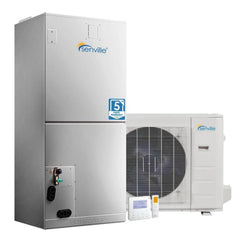
A central air conditioner uses a refrigerant cycle to remove heat from indoor air and release it outside. The system includes an outdoor condenser and compressor, an indoor evaporator coil, refrigerant lines, and ductwork that distributes cooled air throughout the home.
An AC only moves heat in one direction: out of your home. That makes it highly effective for summer cooling, but it does nothing for winter heating. When temperatures drop, you need a separate heating system such as a gas furnace, electric furnace, or boiler.
The traditional central AC plus gas furnace setup is still the most common in the U.S. However, it also requires two systems, two maintenance schedules, and two sources of energy cost.
Shop Central AC Systems at Home Outlet Direct →
How Does a Heat Pump Work?

A heat pump uses the same basic refrigerant cycle as an air conditioner, but with one major difference: a reversing valve. That reversing valve allows the system to move heat in either direction.
In summer, a heat pump works just like an AC. It removes heat from inside your home and releases it outdoors.
In winter, the system reverses. It extracts heat energy from the outdoor air and moves it inside. Even cold outdoor air contains usable heat, and modern heat pumps are designed to capture and transfer that heat efficiently.
Because heat pumps move heat instead of generating it by burning fuel or using electric resistance, they can deliver 200–400% heating efficiency compared with electric resistance heaters. That’s why a heat pump can often provide lower heating costs than electric furnaces, baseboard heaters, and, in many cases, gas furnaces.
Modern cold-climate and hyper-heat pumps, including MRCOOL Hyper Heat models, are built to operate efficiently down to -13°F. This makes them more than capable of heating your home in all but the most extreme winter climates.
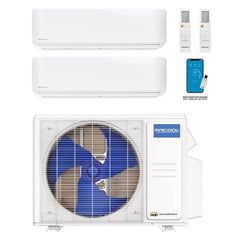
Heat pumps are available in both ducted and ductless configurations. Ducted central heat pumps connect to existing ductwork for whole-home comfort, while ductless mini split heat pumps are ideal for homes without ducts, additions, garages, workshops, and room-by-room zoning.
Shop Heat Pump Split Systems at Home Outlet Direct →
Efficiency Comparison: SEER2 and HSPF2 Explained
When comparing a heat pump vs. AC, the two most important efficiency ratings are SEER2 and HSPF2.
Cooling Efficiency: SEER2
SEER2 stands for Seasonal Energy Efficiency Ratio 2. It measures cooling efficiency over a full season. The higher the SEER2 rating, the better the system is at cooling your home.
Heat pumps and ACs are directly comparable on SEER2. A 17 SEER2 heat pump and a 17 SEER2 AC deliver the same cooling performance.
In 2026, homeowners should also pay attention to refrigerant compliance. New residential HVAC systems have transitioned away from R-410A toward lower-GWP refrigerants such as R-32 and R-454B. When shopping for a new system, make sure you’re buying currently compliant equipment rather than outdated inventory intended only for legacy systems.
Heating Efficiency: HSPF2
HSPF2 stands for Heating Seasonal Performance Factor 2. It measures heat pump heating efficiency over a season. AC systems don’t have an HSPF2 rating because they don’t provide heat.
A higher HSPF2 rating means lower heating energy use. For most homeowners, an HSPF2 of 8.0 or higher indicates solid winter performance.
Compared with electric resistance heat, a heat pump with an HSPF2 of 9 can deliver roughly three times more heating energy for the same amount of electricity. Compared with gas heating, the savings depend on local utility rates, climate, and system efficiency.
Here’s a reference table for helping you choose the right SEER2 and HSPF2 ratings for your heating and cooling needs:
|
Rating |
System |
Efficiency Level |
Best For |
|
SEER2 14–15 |
AC or Heat Pump |
Standard (2026 min) |
Budget buyers, mild climates |
|
SEER2 16–18 |
AC or Heat Pump |
Mid-Efficiency — best value |
Most homeowners |
|
SEER2 19–22+ |
Heat Pump (primarily) |
High-Efficiency |
Hot climates, max savings |
|
HSPF2 7.5–8.0 |
Heat Pump |
Standard heating |
Moderate winters |
|
HSPF2 8.5–10+ |
Heat Pump (hyper-heat) |
High-Efficiency heating |
Cold climates, lower bills |
Heat Pump vs. AC — Cost Comparison
Heat pumps usually cost more upfront than AC-only systems, but the comparison isn’t always apples to apples.
A heat pump provides both heating and cooling, while an AC only provides cooling and must be paired with a separate heat source. Therefore, the total cost of replacing an AC paired with a furnace will typically be much higher than a new heat pump installation.
Here’s a comparison of the system costs. Note that these prices are equipment-only; they do not include professional installation, which adds significant cost.
Equipment Cost
|
System |
Equipment Cost Range |
What’s Included |
|
Central AC Only (2–3 ton) |
$1,000–$2,500 |
Cooling only; still need furnace for heat |
|
Central AC Only (3–5 ton) |
$2,500–$4,500+ |
Whole-home cooling; furnace separate |
|
Central Heat Pump (2–3 ton) |
$1,500–$3,500 |
Heating + cooling; replaces AC and furnace |
|
Central Heat Pump (3–5 ton) |
$3,000–$6,000+ |
Larger homes; replaces full HVAC system |
|
Ductless Mini Split Heat Pump (1 zone) |
$800–$2,000 |
One zone; heating + cooling; DIY possible |
|
Ductless Mini Split Heat Pump (multi-zone) |
$2,000–$6,000+ |
Multiple zones; no ductwork required |
|
Dual-Fuel System (Heat Pump + Gas Backup) |
$3,500–$8,000+ |
Heat pump primary; gas furnace backup for extreme cold |
Total Cost Perspective: A Heat Pump Replaces Two Systems
When comparing total cost, remember that a heat pump can replace both an AC and a furnace in many homes. You’re buying one system that handles year-round comfort instead of purchasing and maintaining separate heating and cooling equipment.
A central heat pump installation can range from about $3,000–$9,000 total depending on size, efficiency, ductwork condition, labor rates, and electrical requirements. A separate AC plus gas furnace setup can often cost $5,000–$14,000+ installed.
Long-term operating cost is where heat pumps often win. In most U.S. climates, a properly sized heat pump can save $300–$1,000 per year compared with a traditional AC plus gas furnace setup, depending on local utility rates.
Climate Guide: Which Is Right for Your Region?

Heat pumps now work in virtually every U.S. climate, thanks to advances in inverter and hyper-heat technology.
The key question, then, is not Do heat pumps work in cold weather? The better question is whether a heat pump alone is the best choice, or whether a dual-fuel system with gas backup makes more sense for your region.
Take a look at this table to get an idea of the best setup for where you live:
|
Climate Zone |
Typical Winter Temps |
Best System Choice |
Notes |
|
Hot / Humid South (Zones 1–2) |
Rarely below 30°F |
Heat pump — clear winner |
Max efficiency; heating demand is low |
|
Moderate / Mixed (Zones 3–4) |
10°F to 30°F regularly |
Heat pump (standard or hyper-heat) |
Best value; handles heating well |
|
Cool / Cold (Zones 5–6) |
-10°F to 10°F possible |
Hyper-heat pump or dual-fuel |
Look for HSPF2 9+ or add gas backup |
|
Very Cold / Subarctic (Zones 7–8) |
Regularly below -10°F |
Dual-fuel or AC + high-efficiency furnace |
Gas furnace backup recommended |
MRCOOL Hyper Heat systems are rated for operation down to -13°F, making them suitable for many Zone 5–6 homes without a gas furnace backup.
In Zone 7–8 climates, a dual-fuel system is often the safest choice. The heat pump handles most of the heating season efficiently, while the gas furnace takes over during extreme cold snaps.
Heat Pump vs. AC — Pros and Cons
Heat Pump Pros and Cons
|
Heat Pump Pros |
Heat Pump Cons |
|
Heats and cools — one system replaces AC + furnace |
Higher upfront equipment cost than AC-only |
|
200–400% efficient heating vs. electric resistance |
Performance can drop in extreme cold (below -13°F without hyper-heat) |
|
May qualify for state or utility provider incentives depending on current rules |
Electricity-dependent — not ideal where electric rates are very high |
|
Lower operating cost in most U.S. climates |
May require an electrical panel upgrade for older homes |
|
Reduces carbon footprint vs. gas heating |
Gas furnace backup still needed in Zone 7–8 climates |
|
Cold-climate / hyper-heat models work down to -13°F |
Some homeowners prefer the familiarity of an AC + furnace setup |
|
DIY option available with MRCOOL ductless heat pumps |
Central ducted systems usually require professional installation |
Air Conditioner Pros and Cons
|
AC Pros |
AC Cons |
|
Lower upfront equipment cost than a heat pump |
Cooling only — requires a separate heating system |
|
Simple, well-understood technology — widely serviced |
Total system cost (AC + furnace) often exceeds heat pump |
|
Gas furnace pairing is reliable in extreme cold |
Cooling-only systems have limited incentive options compared to heat pumps |
|
No concern about heating performance in cold climates |
Two systems = two maintenance contracts and two possible failure points |
|
Strong resale value — familiar to homebuyers |
Higher long-term operating costs than a heat pump in most climates |
When to Choose a Heat Pump vs. AC — Decision Guide
Choose a Heat Pump If…
-
You live in most mild, moderate, or cold U.S. climates and want one system that can handle both heating and cooling efficiently.
-
You’re replacing an aging AC and want to eliminate dependence on your gas furnace in favor of one system, one bill, and one maintenance schedule.
-
You’re prioritizing long-term energy cost savings. Heat pumps outperform AC plus gas furnace setups in most climates.
-
You want a ductless DIY option. MRCOOL DIY heat pumps are designed for homeowner installation and can heat and cool without ductwork.
-
You want to reduce your home’s carbon footprint, because heat pumps don’t burn fossil fuels for heating.
Stick with AC (+ Furnace) If…
-
You live in an extremely cold region where temperatures regularly fall below -20°F and don’t want the added complexity of a dual-fuel system.
-
You already have a newer, high-efficiency gas furnace. In that case, replacing the AC only may be more cost-effective in the short term.
-
Natural gas is very inexpensive in your area compared with electricity. Heat pump
-
Your electrical panel cannot support a heat pump upgrade without expensive electrical work. A licensed electrician or HVAC contractor can confirm what your home can handle.
Shop Heat Pump Split Systems at Home Outlet Direct →
MRCOOL Heat Pumps — The Best DIY & Pro-Grade Options
MRCOOL is one of the most popular heat pump brands for homeowners because it offers both DIY ductless systems and ducted central heat pump options.
MRCOOL Ductless Mini Split Heat Pumps
MRCOOL’s DIY series is the leading homeowner-installable heat pump option. These systems use pre-charged No-Vac line sets, which means many homeowners can install them without a vacuum pump, special refrigerant tools, or HVAC certification.
MRCOOL 5th Gen DIY systems offer app-based smartphone control, strong SEER2 efficiency, and hyper heat performance down to -13°F on select models. They heat and cool without requiring a furnace or ductwork.
These systems are available in single-zone to 5-zone multi-zone configurations, making them ideal for homes without ducts, room additions, and zone-by-zone comfort control.
MRCOOL Ducted Central Heat Pumps
MRCOOL Hyper Heat Central systems are ducted heat pump split systems designed for whole-home heating and cooling through existing ductwork. With operation down to -13°F, they’re a strong option if you want a central system that can replace both AC and furnace.
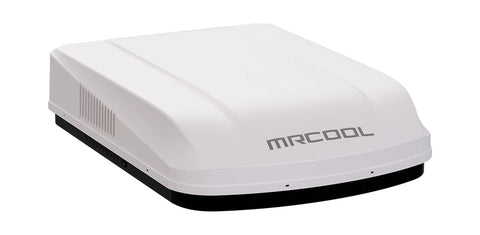
MRCOOL VersaPro systems offer efficient central heat pump performance at competitive equipment prices and are designed for contractor installation.
Both MRCOOL ductless and ducted lines include current-compliant refrigerant options such as R-32 or R-454B, helping you avoid outdated R-410A new-system issues.
Home Outlet Direct carries MRCOOL heat pumps at competitive below-MSRP pricing with fast direct shipping.
Shop All MRCOOL Heat Pumps at Home Outlet Direct →
Goodman Heat Pump Systems — Reliable Ducted Performance
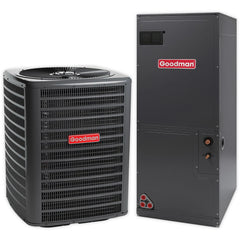
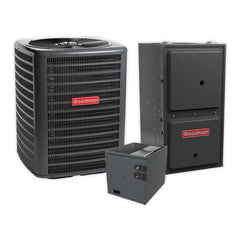
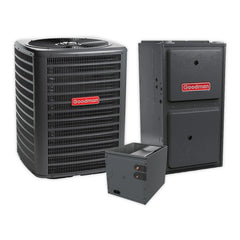
Goodman is one of the most trusted names in residential central HVAC, known for American-made systems with strong warranty coverage and nationwide contractor support.
Goodman heat pump split systems deliver efficient heating and cooling performance for homeowners who want a traditional ducted HVAC setup. Many models are available in common residential sizes from 2 to 5 tons and can be paired with matched air handlers for optimal performance.
Goodman’s newer heat pump systems use current lower-GWP refrigerants such as R-32, making them a compliant option for homeowners replacing older HVAC equipment.
Home Outlet Direct carries Goodman heat pump split systems at competitive prices with fast shipping.
Shop Goodman Heat Pump Systems at Home Outlet Direct →
2026 Updates — What HVAC Buyers Need to Know
The HVAC market has changed significantly in 2026. Before buying a new AC or heat pump, homeowners should understand three major updates: refrigerants, efficiency ratings, and incentive rules.
First, the refrigerant transition is here. New residential AC and heat pump systems have moved away from R-410A toward lower-GWP refrigerants such as R-32 and R-454B. Existing R-410A systems can still be serviced, but homeowners shopping for a new system should choose current-compliant equipment.
Second, SEER2 and HSPF2 ratings are now the efficiency standards shoppers should compare. SEER2 replaced the older SEER testing method, so do not compare a new SEER2 number directly to an older SEER number without context.
Third, incentive rules require extra attention. Federal incentives allowed qualifying heat pumps to receive credits of up to $2,000 for improvements made through December 31, 2025, but these incentives are no longer available as of 2026. However, it’s still worth checking for state and utility provider incentives for heat pump installation in your specific area.
Cold-climate heat pump adoption has also accelerated. If a contractor or retailer still recommends an AC plus gas furnace as the default, ask whether a heat pump or dual-fuel system would be a better long-term fit for your climate and utility rates.
Why Buy Your Heat Pump or AC from Home Outlet Direct?
Home Outlet Direct makes it easy to compare heat pumps, central AC systems, ductless mini splits, packaged units, and other HVAC equipment in one place.
You can shop top brands like MRCOOL and Goodman at competitive prices, often below MSRP, with fast shipping directly to your door.
Home Outlet Direct also helps you navigate the 2026 HVAC transition by offering current-compliant systems that use modern refrigerants such as R-32 or R-454B.
Need help choosing the right size, system type, or brand? Home Outlet Direct offers expert buying guidance through live chat and phone support at 800-495-0144, so you can feel confident before you buy.
Browse All Heat Pumps and AC Systems at Home Outlet Direct →
Final Checklist Before You Buy
Before choosing a heat pump or AC system, run through this checklist:
-
Do you want a heat pump, which provides heating and cooling, or an AC-only system, which requires a separate furnace or heating system?
-
Confirm your climate zone and determine whether a standard heat pump, hyper-heat pump, dual-fuel setup, or AC plus furnace is the best fit.
-
Choose ducted or ductless equipment based on your home’s layout and ductwork condition.
-
Size the system correctly based on square footage, insulation, climate, ceiling height, and load requirements.
-
Compare SEER2 ratings for cooling efficiency.
-
Compare HSPF2 ratings if you are buying a heat pump.
-
Confirm 2026 refrigerant compliance, including R-32 or R-454B compatibility.
-
Verify electrical requirements, including dedicated 240V circuit needs.
-
Check current utility rebate or tax-credit eligibility before purchase.
-
Decide whether installation will be DIY, as with select MRCOOL ductless systems, or handled by a licensed HVAC contractor.
-
Set your budget based on equipment cost, installation cost, electrical work, and potential furnace replacement savings.
Shop Heat Pumps and AC Systems at Home Outlet Direct →
FAQs: Heat Pump vs. AC
Is a heat pump better than an air conditioner?
For most homeowners, yes. A heat pump both heats and cools, which means it can replace an AC and furnace with one system in many climates. The main exception is in very cold regions where a dual-fuel setup or dedicated gas furnace may still be the better choice.
Do heat pumps work in cold climates?
Yes. Modern cold-climate and hyper-heat pumps are designed to work efficiently in cold weather, with some models operating down to -13°F. MRCOOL's Hyper Heat line is a strong example of this technology. For areas that regularly drop below -20°F, a dual-fuel system with gas backup is usually recommended.
How much more does a heat pump cost than an AC?
Heat pump equipment typically costs $500–$1,500 more than a comparable AC-only system. However, a heat pump provides both heating and cooling, so it may cost less than buying a separate AC and furnace together. Total cost depends on size, efficiency, ductwork, installation labor, and electrical requirements.
Can I get a tax credit for a heat pump in 2026?
Federal rules allowed qualifying heat pumps to receive credits of up to $2,000 for systems installed before December 31, 2025, but these incentives are no longer available in 2026. State and utility rebates may still be available in your area, however.
What is HSPF2, and why does it matter for heat pumps?
HSPF2 (Heating Seasonal Performance Factor 2) measures a heat pump’s heating efficiency over a full season. The higher the HSPF2 rating, the less energy the heat pump uses to heat your home. AC systems don’t have an HSPF2 rating because they don’t provide heat.
Can I install a heat pump myself?
Yes, if you choose a DIY-friendly ductless system such as the MRCOOL DIY mini split heat pump series. These systems use pre-charged No-Vac line sets and are designed for homeowner installation. Central ducted heat pump systems should be installed by a licensed HVAC technician.
What refrigerant do 2026 heat pumps use?
All new 2026 heat pumps and AC systems must use lower-GWP refrigerants such as R-32 or R-454B instead of R-410A. Every system sold through reputable dealers like Home Outlet Direct is already compliant with these federal regulations.
Does a heat pump replace a furnace?
Yes. In most U.S. climates, a modern heat pump can replace both your AC and your furnace. Cold-climate models (HSPF2 9+, rated to -13°F) handle winter heating in all but the most extreme northern climates. In very cold climates, a dual-fuel system may be better, using the heat pump for most heating and a gas furnace only during extreme cold.
Find Your Perfect Heat Pump or AC System at Home Outlet Direct →
Comments
0 comments