


















































If you’ve ever opened your oven door and been hit with the smell of burnt food, old grease, or spills from meals past, you’re definitely not alone. Most homeowners and renters know their oven needs a deep clean, but figuring out how to clean the inside of your oven without damaging it or using unsafe products can feel confusing fast.
Between conflicting advice online, viral hacks that don’t always work, and warnings about self-cleaning cycles, it’s easy to keep pushing oven cleaning to the bottom of the to-do list. This guide cuts through the noise. Below, you’ll find three expert-verified methods that work across gas, electric, convection, self-cleaning, and steam ovens, each with clear steps, safety tips, and realistic expectations.
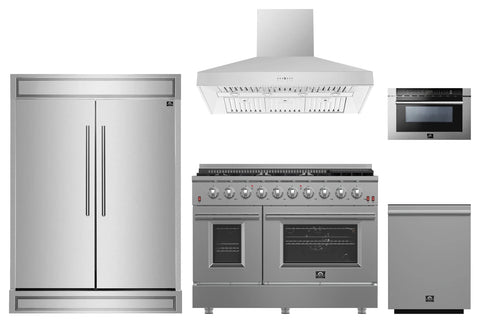
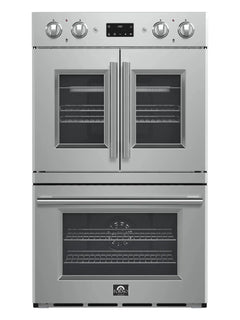
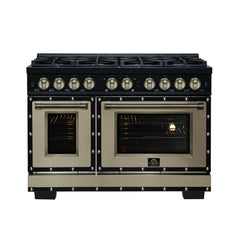
And if you’re realizing your current oven has seen better days, Home Outlet Direct offers a wide selection of reliable, easy-to-maintain range ovens designed to suit your kitchen, cooking habits, and budget.
A Quick Answer: The Fastest Way to Clean the Inside of Your Oven
If speed is your top priority, a store-bought oven cleaner is usually the fastest way to remove baked-on grease and stubborn food residue. These products are designed to break down buildup quickly, often with minimal scrubbing.
You’ll need:
-
A commercial oven cleaner
-
Gloves and proper ventilation
-
A microfiber cloth or sponge
Time estimate: About 60 to 90 minutes total
Safety precautions: Always ventilate your kitchen, wear gloves, and follow the product label carefully.
That said, the fastest option isn’t always the best option for every home, oven type, or comfort level. Even ovens with different burner watt levels and capabilities may impact your cleaning method. That’s why we’ve outlined three proven cleaning methods below, so you can choose the one that fits your oven, your schedule, and how much grime you’re dealing with.
Method 1: The Natural Deep Clean (Baking Soda and Vinegar)
If you prefer a non-toxic, low-fume approach, this method is a go-to for many homeowners. It’s especially appealing if you cook often, clean regularly, or want to avoid harsh chemicals altogether. While it takes more time, it’s gentle and effective on your appliance, and safe for most ovens when done correctly.
This method works best for moderate grease buildup and ovens that haven’t been left uncleaned for years. If you’re moving into a new home with an oven that’s outdated and hasn’t been cleaned in awhile, or if you’ve just let oven cleaning slip to the bottom of your to-do list over the years, a different method may be better suited for the job.
But if this option sounds right for you, we’ll guide you through how to get started.
Step-by-step process:
-
Remove oven racks and set them aside.
-
Mix baking soda with water until it forms a thick, spreadable paste.
-
Apply the paste evenly across the oven interior, avoiding heating elements and fans.
-
Let it sit for 8 to 12 hours or overnight.
-
Spray vinegar over the dried paste to activate it.
-
Wipe everything clean with a damp cloth, rinsing frequently.
Helpful tips:
-
Apply extra paste to corners and the oven floor.
-
Use a plastic scraper for stubborn spots.
-
Finish with a final wipe using clean water to prevent residue.
Once you’ve tackled a natural deep clean, you may find future cleanings are much easier. If you’re dealing with heavier buildup or short on time, though, the next method may be a better fit.
Method 2: The Commercial Speed Clean (Store-Bought Products)
When grease is thick, smells linger, and scrubbing feels endless, commercial oven cleaners can save serious time. These products are designed to break down tough residue quickly, making them ideal for ovens that haven’t been cleaned in a while.
While effective, this method requires careful use and proper ventilation, so make sure you follow the steps below carefully.
Step-by-step process:
-
Open windows or turn on a kitchen fan.
-
Remove oven racks.
-
Apply cleaner according to label directions.
-
Let it sit for the recommended time only.
-
Wipe away residue with a damp cloth.
-
Rinse thoroughly to remove all cleaner residue.
Important safety notes:
-
Wear gloves at all times.
-
Never mix cleaning products.
-
Avoid spraying directly onto heating elements.
If chemical cleaners aren’t your preference or your oven includes built-in cleaning features, the automated option we’ll cover next may be a better option for you.
Method 3: The Automated Clean (Self-Cleaning Cycle)
Many modern ovens include a self-cleaning feature designed to handle heavy buildup without manual scrubbing. While convenient, this method produces extreme heat and should only be used when the manufacturer explicitly recommends it.
This option works best for older residue that hasn’t responded to other methods.
Step-by-step process:
-
Remove all racks and accessories.
-
Wipe away loose debris.
-
Start the self-cleaning cycle.
-
Leave the area while the cycle runs. Don’t leave your home entirely.
-
Allow the oven to cool completely.
-
Wipe away remaining ash with a damp cloth.
How Pyrolytic and Steam Cleaning Works For Oven Cleaning
Pyrolytic cleaning heats the oven to extremely high temperatures, turning residue into ash. Steam cleaning uses heat and moisture to loosen light grime. Steam cycles are quicker and produce fewer odors, while pyrolytic cycles are more powerful but generate significant heat and smells. As such, you probably won’t want to stick around long or have company over while the cycle is running, but once it’s all said and done, it can be a very effective method for cleanup.
Manufacturer Guidelines and Warnings
Always consult your oven’s manual before using the self-cleaning feature, especially if it’s a newer model that you still have under warranty. Improper use can damage door seals, sensors, or interior coatings and may void your warranty.
Post-Cycle Cleanup
Once the oven is fully cooled, wipe all interior surfaces with a damp cloth to remove ash. Avoid abrasive tools that may leave marks or damage the oven’s components, and make sure everything is completely dry before using the oven again.
The Trickiest Part: Cleaning the Oven Door Glass
While it may not sound that difficult in theory, oven door glass is one of the most frustrating areas to clean because grease splatters bake onto it and show immediately. The good news is that it usually doesn’t require harsh tools or chemicals.
A baking soda paste or glass-safe cleaner works well for most doors. Let the cleaner sit for about 15 to 20 minutes to loosen grease before wiping gently with a soft cloth or sponge. For stubborn spots, repeated gentle passes work better than aggressive scrubbing.
Avoid steel wool or razor blades, which can permanently scratch the glass and weaken it over time. If grease appears trapped between glass panels, check your manual before attempting removal, as improper disassembly can damage the door.
Comparison Table: Natural vs. Commercial vs. Self-Clean
|
Method |
Active Time |
Passive Time |
Safety/Toxicity |
Cost |
Recommended Grime Level |
|
Baking Soda |
30 minutes |
8–12 hours |
Very low |
Low |
Light to moderate |
|
Commercial Cleaner |
15 minutes |
30–60 minutes |
Moderate |
Medium |
Heavy |
|
Self-Clean |
5 minutes |
2–4 hours |
High heat |
None |
Heavy |
Maintenance Tips to Prevent Future Scrubbing
Once your oven is clean, staying ahead of messes makes a big difference. Small habits can prevent grease from building up and eliminate the need for frequent deep cleaning.
Regular maintenance not only keeps your oven looking better, but it also reduces smoke, odors, and uneven heating.
Simple habits that help:
-
Wipe spills while the oven is warm, not hot
-
Use baking sheets under messy dishes
-
Clean racks monthly
-
Run steam clean cycles if available
-
Avoid lining the oven floor with foil
When to Call a Professional
Sometimes cleaning alone won’t solve the issue. If you notice persistent smoke, strong burning smells during normal use, or error codes after cleaning, it may be time to call a professional. Cracked glass, damaged heating elements, and faulty door seals are also signs that cleaning won’t fix the problem.
In cases where repairs aren’t cost-effective, replacing the oven may be the smarter long-term choice. Home Outlet Direct offers dependable, modern ovens with easier-to-clean interiors and built-in features designed for everyday cooking. Explore ranges from top brands like ZLINE, or shop our full collection of ranges to see what works for your household.

Frequently Asked Oven Cleaning Questions (FAQs)
How often should I clean my oven?
Most households benefit from a deep clean every three to six months, depending on usage.
Can I use steel wool inside my oven?
No. Steel wool can scratch surfaces and damage protective coatings.
How do I get rid of the chemical cleaner smell?
Wipe thoroughly with water, then heat the oven empty at 300°F for 15 minutes with ventilation.
How do I clean between oven door glass panels?
Check your manufacturer’s instructions. Some doors allow panel removal, while others require professional service.
Is baking soda safe for all ovens?
Yes, when used correctly and kept away from heating elements and fans.
Comments
0 comments